

What Our Students Are Saying
“I can do anything while I’m here, as long as I’m willing to put in the hard work.”

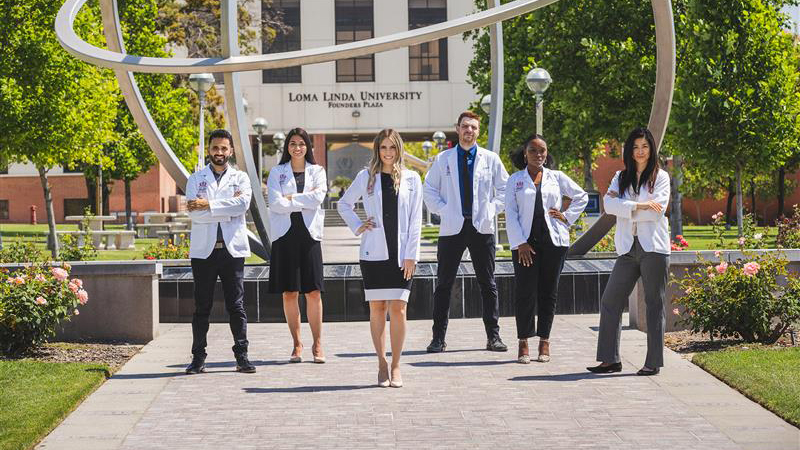
Becoming a pharmacist can lead to a rewarding, lifelong career that blends science, healthcare, and helping others. But it takes some work to get there. Let’s walk through what pharmacists do, how long schooling and licensure takes, and other tips for how to become a pharmacist.
Pharmacists do more than count pills and explain your prescriptions at the counter — they play a critical role in patient and community care. Pharmacists help ensure people get the correct medication, in the proper dosage, at the optimal time. They also monitor potential interactions, side effects, and the overall effectiveness of treatment.
As a pharmacist, and depending on if you specialize in a specific area, your daily tasks might look something like this:
Becoming a pharmacist can take about 6 to 8 years. But this is just a general timeline. Some students may take longer or shorter, depending on their goals and schedule.
Many students don’t realize that a college degree isn’t required to enter pharmacy school. Only the prerequisites are needed for pharmacy school, which may shorten your path to licensure.
Generally speaking, most students follow this timeline:
If you’re still in high school, now is the perfect time to lay a solid foundation. Focus on science and math, but don’t ignore communication skills like English or public speaking — they can be important for becoming a skilled and successful pharmacist.
After high school, you’ll need to complete 2 to 4 years of undergraduate studies focused on pre-pharmacy. Some students earn a bachelor’s degree in a subject like biology, chemistry, or biochemistry, while others transfer into pharmacy school after completing the prerequisites. Remember — you don't need a college degree if you meet the requirements to transfer into pharmacy school.
When choosing a school, you want one that prepares you both for pharmacy school and the everyday tasks of working as a pharmacist. Look for a school offering the following:
To get your pharmacist license, you’ll need to complete a Doctor of Pharmacy (PharmD) program from an accredited pharmacy school. Ensure you meet application deadlines by applying to pharmacy school as you complete your pre-pharmacy coursework. Most schools accept application materials (official transcripts, essays, and recommendation letters) through PharmCAS, a centralized application system. However, this may vary depending on your school.
Some states may also require you to complete a certain number of supervised practice hours during your program. In California, you need to log up to 1,500 hours to receive your license. These internships help you practice what you’ve learned and connect with professionals in the field.
Explore more: Get an inside look at Loma Linda University’s pharmacy curriculum.
After graduation, you’ll need to pass two key exams to become licensed, the North American Pharmacist Licensure Examination (NAPLEX) and a state law exam. Most states require you to take the Multistate Pharmacy Jurisprudence Exam (MPJE) state law exam, but keep in mind each state has slightly different requirements. Be sure to review your state’s board of pharmacy website for specific details.
California students: You’ll take either the California Pharmacy Jurisprudence Exam (CPJE) or the Multistate Pharmacy Jurisprudence Exam (MPJE) state law exam. View the California State Board of Pharmacy to explore more details.
Once you pass your exams, congrats! You’re officially a licensed pharmacist.
Some pharmacists might go straight to work for a hospital or community pharmacy after getting their license, while others might choose to continue their training with a residency or fellowship. These programs usually last one to two years and can open doors to specialized pharmacy careers.
“I can do anything while I’m here, as long as I’m willing to put in the hard work.”
Connect with an LLU student, faculty member, or alumnus and learn about their experiences.
Pharmacy offers more variety than you might think. When you're considering pharmacy for your career, think about how your strengths and interests might serve a specific path. Here are a few of the most popular paths pharmacists tend to take:
Explore more: View 100+ pharmacy jobs and career paths.
According to the U.S. Bureau of Labor Statistics, annual earnings for pharmacists was $137,480 in May 2024, with demand for new pharmacists projected to grow 5 percent between 2023 to 2033.
The cost for pursuing a degree in pharmacy can vary greatly depending on the program, school location, and whether it is a private or public institution. For example, tuition costs can range from $20,000 to $80,000 per year. Fortunately, there are several financial aid options available to help manage tuition and living expenses.
Below are some of the most common sources of financial support available to pharmacy students.
Pharmacy is evolving. New technologies like AI are helping pharmacists in their day-to-day responsibilities, such as checking drug interactions, managing data, and more. This doesn’t mean AI is replacing pharmacists, but the new technology is changing how they work and think.
Pharmacists need to be more than medication experts. To remain competitive in their field and continue to serve their communities efficiently, pharmacists also need to be tech-savvy professionals comfortable with big changes in how they get their work done. This shift calls for a strong foundation in digital health technologies, openness to new tools as the field continues to evolve, and of course the ability to critically evaluate AI tools for accuracy and efficacy.
Now that you know the key steps to becoming a pharmacist, you might have a few follow-up questions. Feel free to contact us via one of the methods below — we can answer your questions and provide detailed info about the LLU PharmD program to see if it’s right for you.
The fastest route is doing two years of pre-pharmacy and going straight into a PharmD program. Some students take longer depending on their path, like if they choose to pursue a specialty.
Nope. Pharmacists go to pharmacy school, not medical school. They earn a PharmD, not an MD.
Each of these jobs is related to helping treat patients through medications, but the actual work is separated by these key distinctions: